← Map of all journeys parcours-anglais-lycee.netlify.app/seconde/filter-or-face/

The big question

Who decides what a beautiful face looks like: painters, brands, apps, or each of us?

Why this journey?

Filters can change a face in one second. But rules about beauty are much older than phones. In this journey, you travel from Victorian paintings to modern adverts to understand who sets the norm, and how artists answer it. You never talk about your own appearance: you study images, artists and campaigns. At the end, you create a card game called Real or Retouched?

LevelSeconde (general)
TargetCEFR A2 → B1
Sessions6 sessions + a game + a final task
Final taskPresent your card game and its message in English (2 minutes, B1), then answer two questions.

Bridges This journey is part of a path: each journey answers and builds on others.

⟵ Builds on…

Leads to… ⟶

Threads in this journey: IdentityTruthPower

1

Real or retouched?

Look closely at images and find what has been changed.

A tourist takes a selfie: the camera chooses an angle, the app can change the rest.
A tourist takes a selfie: the camera chooses an angle, the app can change the rest.Image: Stephanie Kraus from Köln, Deutschland · CC BY 2.0 · Wikimedia Commons

What you do

  1. Your teacher shows images of adverts and paintings (never photos of students). For each one, vote: real or retouched?
  2. Find the clues: skin, light, shape, background.
  3. Discuss: who wants us to see a face like this, and why?

Sentence starters

  • In this picture, the face looks…
  • I think it has been retouched because…
  • The person who wants us to see this is…

Speak up

Give one clue to the class: “I can tell it has been changed because…”

Learn how to learn · Quick Recall

Before you open your notes, write 3 things you remember from last time. Then check. Testing yourself works better than reading again.

2

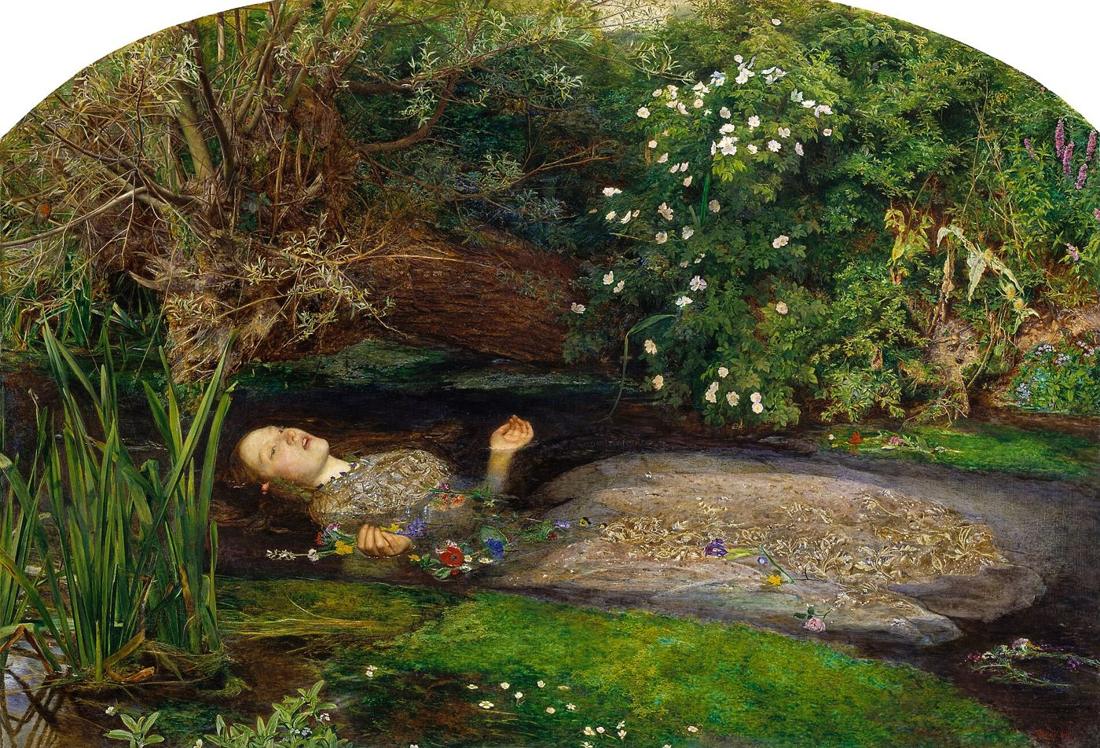
Ophelia, 1852: a face made by painters

Discover that beauty norms existed long before apps.

Documents and facts

  • The Pre-Raphaelites were young British painters who started their group in 1848.
  • The model for Ophelia was Elizabeth Siddal. She posed for hours in a bath of water, and she became ill.
  • Ophelia is a character from Shakespeare’s Hamlet.

Sources: Tate: Ophelia by John Everett Millais

What you do

  1. Describe the painting: colours, flowers, face, water.
  2. Read the Tate text and find the price the model paid for this “perfect” image.
  3. Compare in pairs: a painter in 1852 and an app today: what do they both do to a face?

Sentence starters

  • The painter shows a face that is…
  • The model had to…
  • Like a filter, a painter can…

Speak up

Present the painting in 45 seconds as if you were a museum guide.

Learn how to learn · Explain it to a partner

Explain today’s main idea to a partner in 30 seconds, without notes. If you get stuck, that is the part to review.

3

Phenomenal Woman: answering the norm

See how a poet answers beauty rules with pride.

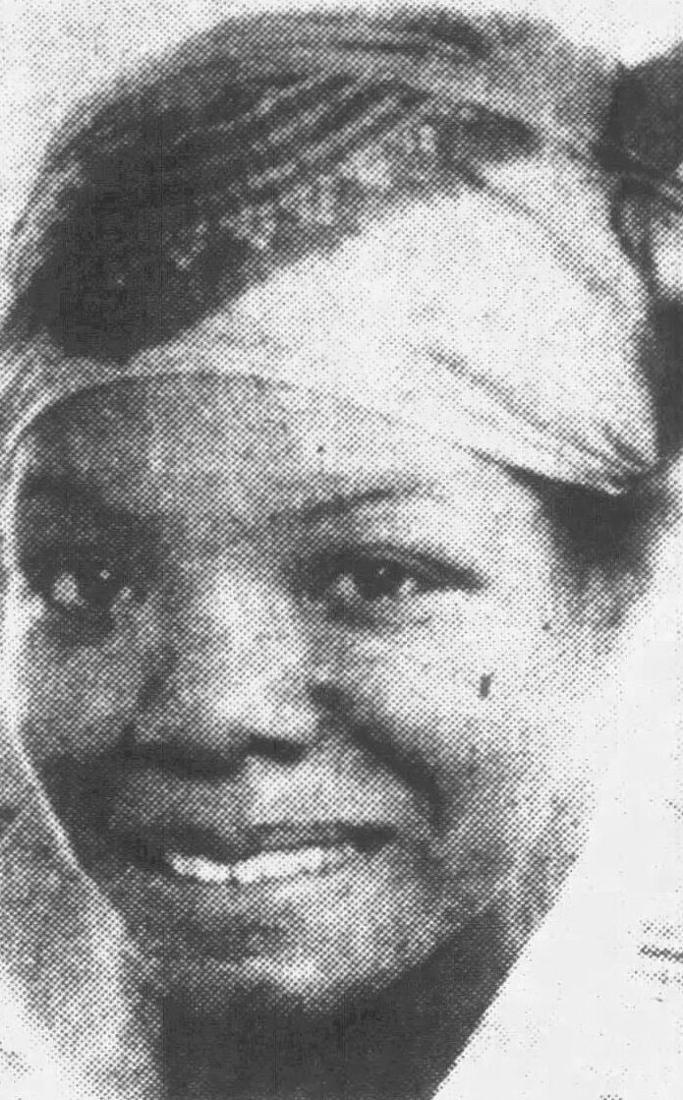
Maya Angelou (1928–2014), poet and writer, around 1978.
Maya Angelou (1928–2014), poet and writer, around 1978.Image: Unknown authorUnknown author · Public domain · Wikimedia Commons

Documents and facts

  • Maya Angelou published the poem “Phenomenal Woman” in 1978.
  • In the poem, the speaker says she is not “cut or built to suit a fashion model’s size”, and repeats: “Phenomenal woman, / That’s me.”

Sources: Poetry Foundation: Maya Angelou

What you do

  1. Listen to the poem on the Poetry Foundation page (link) and clap the rhythm of the refrain.
  2. Find the words that show pride and confidence.
  3. Write a collective class poem about a famous character or a statue (never about yourselves), starting with “She walks like…”

Sentence starters

  • Maya Angelou shows that…
  • The words that show pride are…
  • Beauty is not only…

Speak up

Read one line of the class poem with the rhythm of the refrain.

Learn how to learn · Word + picture

Draw a tiny picture next to each new word. Your brain remembers a word and an image better than a word alone.

4

Fight back: campaigns and laws

Find out how society tries to protect teens from fake images.

Documents and facts

  • In February 2021, the UK Advertising Standards Authority (ASA) ruled against two social media adverts for tanning products: the filters exaggerated the effect of the product. Since then, ads must not use filters that exaggerate what a beauty product can do.
  • In 2022, Norway passed a law: adverts on social media must show a label when a body or face has been retouched.

Sources: Advertising Standards Authority (UK): the misuse of beauty filters in ads · Dove Self-Esteem Project

What you do

  1. Read the two facts and decide: who protects the public, a law or a brand?
  2. Design a label for a retouched image (shape, colour, 5 words maximum).
  3. Debate: should every filtered image have a label?

Sentence starters

  • A law can…, but a brand can…
  • Our label says…
  • I am for / against labels because…

Speak up

Two-minute class debate: each speaker starts with a sentence starter.

Learn how to learn · Homemade flashcards

Write a question on one side and the answer on the other. Test yourself today, in 2 days and in a week.

5

Create your own game: Real or Retouched?

Invent a card game about images and the truth.

What you do

  1. Make 12 cards with paintings, adverts and invented profiles (drawn or described, never real classmates).
  2. Each player must say “real” or “retouched” and give one argument.
  3. Write the rules with the rule starters and test them with another team.

Sentence starters

  • The aim of the game is to…
  • Each player must…
  • You score a point if…

Speak up

Explain your game; the other team plays one round.

Learn how to learn · Spaced review

Review today’s words tonight for 5 minutes, then again in 3 days. Short and spaced beats long and once.

6

Final task: present your game and its message

Present your game and say what it teaches.

What you do

  1. Play your game with another team.
  2. Prepare a 2-minute presentation: how to play, and what the game teaches about beauty and images.
  3. Answer two questions from the class.

Sentence starters

  • Our game teaches that…
  • When you play, you understand…
  • The message we want to share is…

Speak up

2-minute presentation, then two questions.

Learn how to learn · What I know / What I don’t know yet

Make two columns. A mistake is information: it tells you exactly what to practise next.

★ Create your own game: Real or Retouched?

A card game: cards show paintings, adverts and invented profiles. Players must say “real” or “retouched” and justify with one argument. The group decides if the argument is convincing.

Rule-writing starters

  • The aim of the game is to…
  • Each player must…
  • If you land on…, you…
  • You win when…
  • You miss a turn if…
  • Before you start, …

Final task

Present your card game and its message in English (2 minutes, B1), then answer two questions.

Effort badges

Badges reward effort and progress, never a ranking. Everyone can earn every badge.

Brave SpeakerI dared to speak in English, even with mistakes.
Fact CheckerI checked a source or spotted a fake.
Game DesignerI invented or improved a game.
Rule WriterI wrote clear game rules in English.
Comeback BadgeI did better than last time.

✓ Assessment

How will I be assessed?

Printable grid (PDF with QR code)

DURING I practise AT THE END I show what I know

Two kinds of assessment go with you. The first one helps you improve. The second one checks what you have learnt at the end.

During the sequence: formative assessmentAt the end: summative assessment
It helps you improve.It checks what you have learnt.
You are allowed to make mistakes: a mistake you spot is a mistake you will not make again.You show what you can do, with criteria you already know.
You check your own work with the checklist.The teacher uses the same grid as you.
In this sequence: sessions 1 to 5 (the image vote, the museum guide, the class poem, the label debate, the rules of Real or Retouched?).In this sequence: your game presentation (2 minutes), marked out of 20.

While I practise, I can say

  • “I am not sure yet about…”
  • “Can you check if this fact is right: …?”
  • “I made a mistake with… Now I know that…”
  • “The word I want to remember is… because…”

Reminder: Printable grid (PDF with QR code) · Madame Carole Paoli Pompougnac · © 2026 · CC BY-NC-ND 4.0

⎙ Printable fiche

QR code to this journey

The one-page fiche sums up the journey: the big question, the sessions, the sentence starters, the final task and the badges. It has a QR code back to this page.

Open the printable fiche Assessment grid (PDF)

Image credits

Videos, films, songs and protected texts are not copied here: follow the links to the official sources.

Repères pour le professeur (en français)

Niveau : Seconde · CECRL visé : A2 → B1

Ancrage programme : Axe 1 « Représentation de soi et rapport à autrui » · objets d’étude : les normes en question ; les canons de beauté, des Préraphaélites aux beauty pageants

Fil rouge : Identity, Truth, Power. Les blocs « Bridges » relient ce parcours aux autres parcours de la carte.

Évaluation : formative pendant les séances 1 à 5, sommative avec la tâche finale ; grille de notation et grille de correction dans l’onglet professeur du bloc d’évaluation, et en PDF avec QR code.

À noter : Aucune question sur le physique des élèves ni photo d’élève. Le poème d’Angelou est protégé : citation brève et lien vers Poetry Foundation seulement.