← Map of all journeys parcours-anglais-lycee.netlify.app/premiere/phone-or-wild/

The big question

Do we protect nature for its own sake, or for ours, and who gets to decide which places are saved?

Why this journey?

Many teens spend hours on screens, and many scientists say time in nature is good for us. But nature is also under threat, from fires to floods. In this journey, you meet a photographer and a writer who helped save America’s wild places, a Kenyan woman who planted millions of trees, and the fires of Los Angeles in 2025. At the end, your group designs and defends a new protected park.

LevelPremière (general)
TargetCEFR B1 → B2
Sessions6 sessions + a game + a final task
Final taskGroup presentation (B1–B2): propose a new protected area, with a map, a photo in Adams’s style and three rules.

Bridges This journey is part of a path: each journey answers and builds on others.

⟵ Builds on…

Leads to… ⟶

Threads in this journey: PlanetPowerIdentity

1

Phone or wild?

Give opinions on what nature gives us.

Documents and facts

  • In 2005, the writer Richard Louv used the phrase “nature-deficit disorder” in his book Last Child in the Woods to describe children who spend less and less time outdoors.

Sources: Richard Louv: Last Child in the Woods

What you do

  1. Quick class vote: phone or a week in the wild? Give a reason (opinions only).
  2. List what nature gives and what screens give.
  3. Discuss Louv’s idea: is it a real problem or an exaggeration?

Sentence starters

  • Nature gives us…
  • Screens give us…
  • I agree / disagree with Louv because…

Speak up

Each student gives one reason in 15 seconds.

Learn how to learn · Quick Recall

Before you open your notes, write 3 things you remember from last time. Then check. Testing yourself works better than reading again.
2

Ansel Adams and John Muir

See how a photographer and a writer made America protect its wild places.

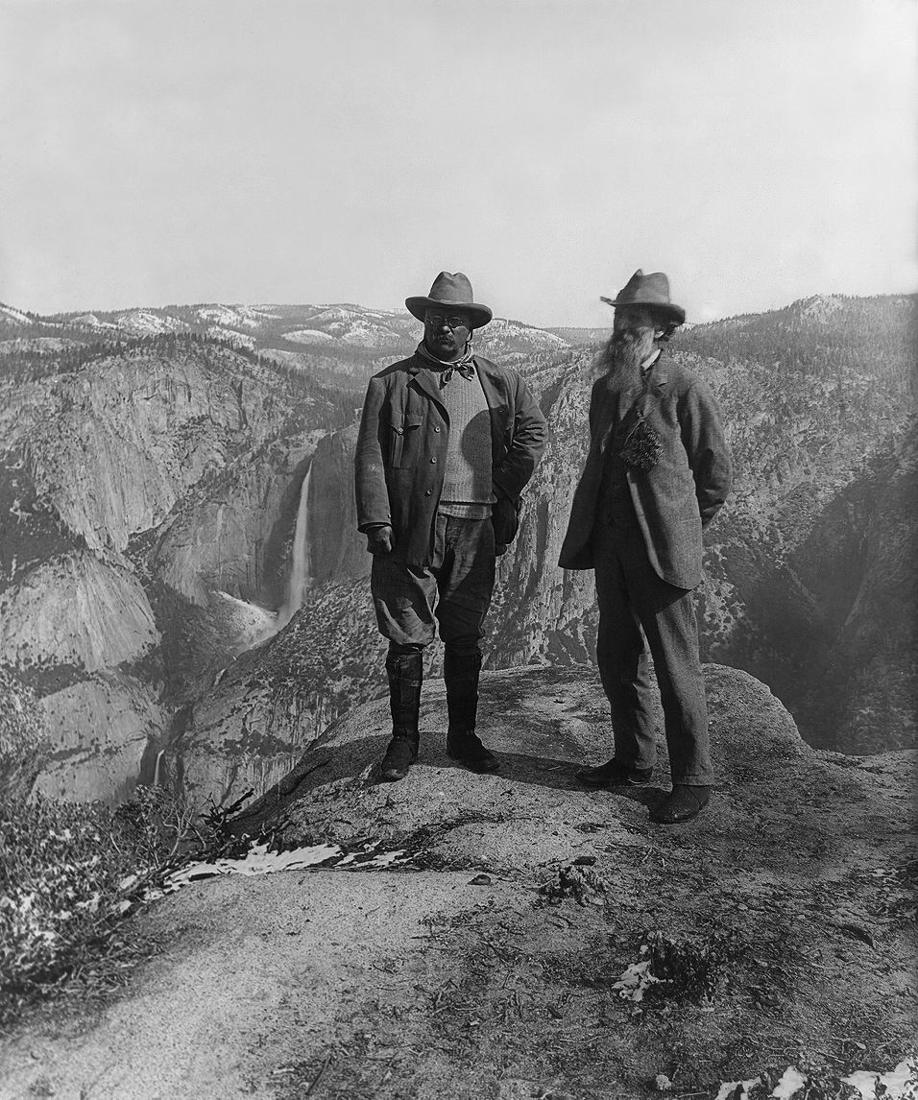
President Theodore Roosevelt and John Muir at Glacier Point, Yosemite, 1903.
President Theodore Roosevelt and John Muir at Glacier Point, Yosemite, 1903.Image: Underwood & Underwood · Public domain · Wikimedia Commons

Documents and facts

  • Yellowstone became the world’s first national park on 1 March 1872.
  • In 1903, John Muir camped in Yosemite with President Theodore Roosevelt and convinced him to protect more land.
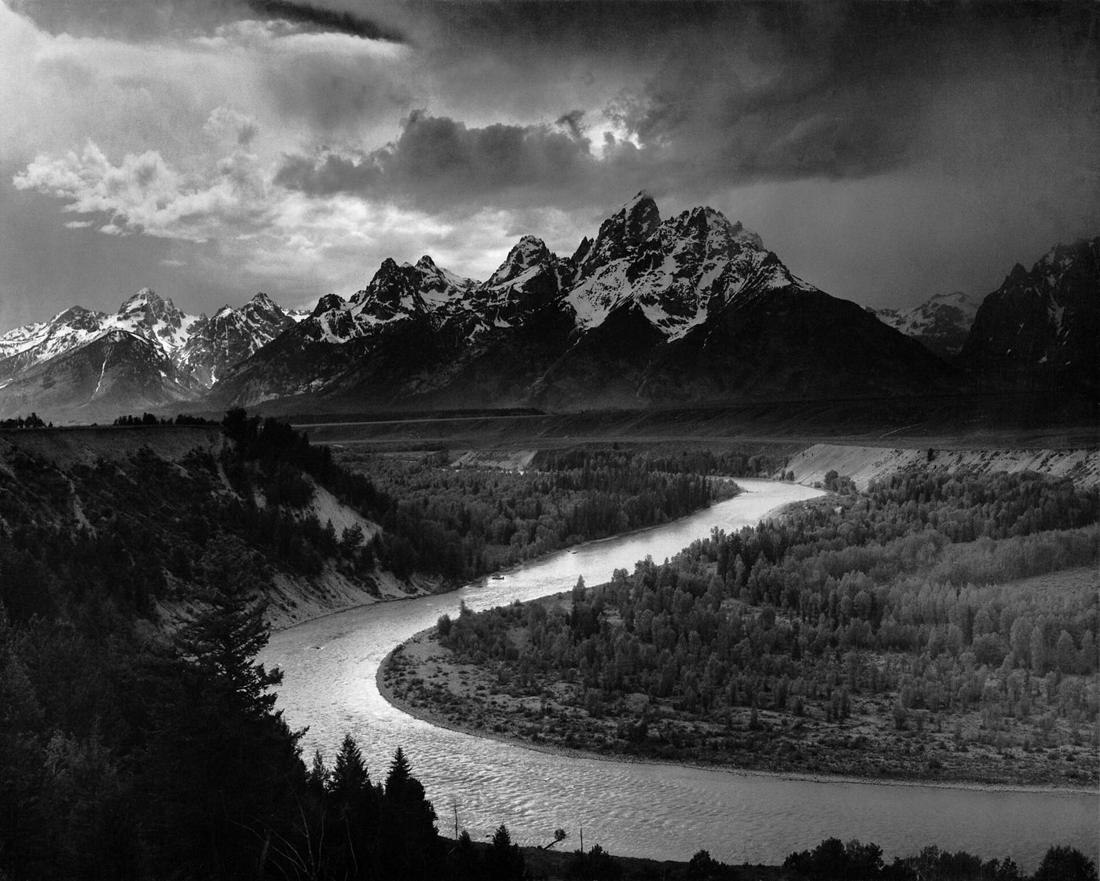
  • Ansel Adams photographed national parks for the US government in the 1940s. His black-and-white images made millions of people want to protect them.

Sources: National Park Service (Yosemite): John Muir · US National Archives: Ansel Adams photographs

What you do

  1. Describe the Adams photo: light, river, mountains, what is missing (people, roads).
  2. Read the facts and explain how a photo or a book can change a law.
  3. Write a caption for the photo as if it were a poster to save the park.

Sentence starters

  • Ansel Adams’s photo shows…
  • John Muir convinced… to…
  • A photo can change a law because…

Speak up

Present your poster caption to the class.

Learn how to learn · Explain it to a partner

Explain today’s main idea to a partner in 30 seconds, without notes. If you get stuck, that is the part to review.

3

Wangari Maathai: planting trees, planting peace

Discover that protecting nature can be a political act.

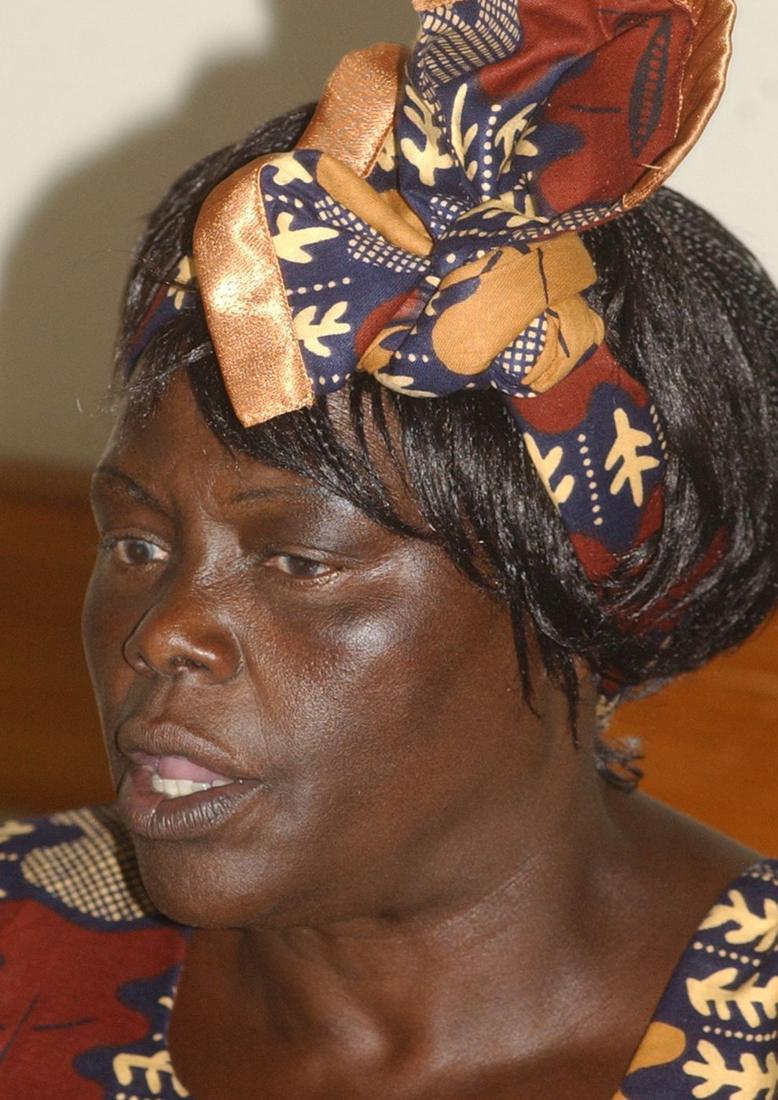
Wangari Maathai (1940–2011), founder of the Green Belt Movement, in 2006.
Wangari Maathai (1940–2011), founder of the Green Belt Movement, in 2006.Image: Foto: Antônio Cruz/ABr · CC BY 3.0 br · Wikimedia Commons

Documents and facts

  • Wangari Maathai founded the Green Belt Movement in Kenya in 1977. Women planted tens of millions of trees.
  • In 2004, she became the first African woman to win the Nobel Peace Prize.

Sources: The Nobel Prize: Wangari Maathai · Green Belt Movement

What you do

  1. Read the Nobel page and find why a tree project won a peace prize.
  2. Make a chain: trees → water → food → peace.
  3. Discuss: who has the power to protect a forest?

Sentence starters

  • Wangari Maathai believed…
  • Planting trees helps… because…
  • Protecting nature is political because…

Speak up

Explain the chain to a partner in 30 seconds.

Learn how to learn · Word + picture

Draw a tiny picture next to each new word. Your brain remembers a word and an image better than a word alone.

4

When nature fights back: Los Angeles, 2025

Understand how people adapt to extreme weather.

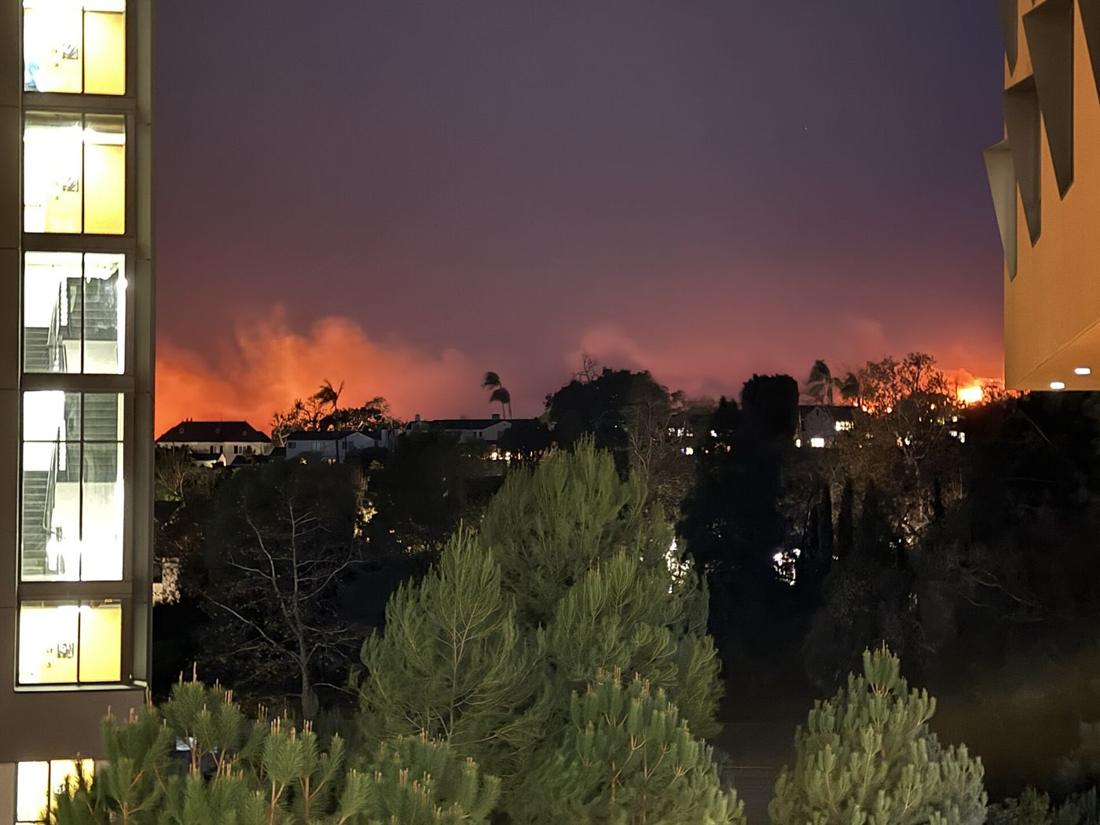
The Palisades Fire seen from the UCLA campus, Los Angeles, January 2025.
The Palisades Fire seen from the UCLA campus, Los Angeles, January 2025.Image: BulkyOS · CC BY 4.0 · Wikimedia Commons

Documents and facts

  • From 7 January 2025, the Palisades and Eaton fires burned large areas of Los Angeles and destroyed thousands of buildings.
  • Strong Santa Ana winds and very dry vegetation helped the fires spread.

Sources: CAL FIRE: incidents · BBC News: LA fires, what happened and what caused them

What you do

  1. Read the facts and list causes and consequences.
  2. Discuss: what can a city do to adapt (rules, firefighters, building, vegetation)?
  3. Write three tips for a public information leaflet.

Sentence starters

  • The fires spread because…
  • A city can adapt by…
  • People should…

Speak up

Read your leaflet tips like a public safety message.

Learn how to learn · Homemade flashcards

Write a question on one side and the answer on the other. Test yourself today, in 2 days and in a week.

5

Create your own game: Park Ranger

Invent an escape game where teams save a park.

What you do

  1. Make 5 clues: a map, a photo, a quote, a weather report, an animal track.
  2. Rule: each clue opens only with a correct English sentence.
  3. Write the rules with the rule starters and test them.

Sentence starters

  • Before you start, …
  • Each team must…
  • You escape when…

Speak up

Each team explains one clue to the class.

Learn how to learn · Spaced review

Review today’s words tonight for 5 minutes, then again in 3 days. Short and spaced beats long and once.

6

Final task: a new national park

Design and defend a protected area.

What you do

  1. In groups, choose a real natural area in the English-speaking world and propose to protect it.
  2. Prepare a map, a photo in Adams’s style (black and white, no people) and three rules.
  3. Present in 4 minutes; every student speaks.

Sentence starters

  • Our park will protect…
  • Visitors must…
  • This place matters because…

Speak up

4-minute group presentation; each student speaks for at least one minute.

Learn how to learn · What I know / What I don’t know yet

Make two columns. A mistake is information: it tells you exactly what to practise next.

★ Create your own game: Park Ranger

An escape game: 5 locked clues (map, photo, quote, weather report, animal track). Each clue opens only when the team gives a correct English sentence.

Rule-writing starters

  • The aim of the game is to…
  • Each player must…
  • If you land on…, you…
  • You win when…
  • You miss a turn if…
  • Before you start, …

Final task

Group presentation (B1–B2): propose a new protected area, with a map, a photo in Adams’s style and three rules.

Effort badges

Badges reward effort and progress, never a ranking. Everyone can earn every badge.

Word HunterI collected new words and used them again.
Team PlayerI helped my group succeed.
Game DesignerI invented or improved a game.
Brave SpeakerI dared to speak in English, even with mistakes.
Comeback BadgeI did better than last time.

✓ Assessment

How will I be assessed?

Printable grid (PDF with QR code)

DURING I practise AT THE END I show what I know

Two kinds of assessment go with you. The first one helps you improve. The second one checks what you have learnt at the end.

During the sequence: formative assessmentAt the end: summative assessment
It helps you improve.It checks what you have learnt.
You are allowed to make mistakes: a mistake you spot is a mistake you will not make again.You show what you can do, with criteria you already know.
You check your own work with the checklist.The teacher uses the same grid as you.
In this sequence: sessions 1 to 5 (the vote, the poster caption, the Maathai chain, the safety leaflet, Park Ranger).In this sequence: your part of the group presentation (at least 1 minute), marked out of 20.

While I practise, I can say

  • “I am not sure yet about…”
  • “Can you check if this fact is right: …?”
  • “I made a mistake with… Now I know that…”
  • “The word I want to remember is… because…”

Reminder: Printable grid (PDF with QR code) · Madame Carole Paoli Pompougnac · © 2026 · CC BY-NC-ND 4.0

⎙ Printable fiche

QR code to this journey

The one-page fiche sums up the journey: the big question, the sessions, the sentence starters, the final task and the badges. It has a QR code back to this page.

Open the printable fiche Assessment grid (PDF)

Image credits

Videos, films, songs and protected texts are not copied here: follow the links to the official sources.

Repères pour le professeur (en français)

Niveau : Première · CECRL visé : B1 → B2

Ancrage programme : Axe « L’être humain et la nature » · objets d’étude : les parcs nationaux ; l’homme face aux événements météorologiques

Fil rouge : Planet, Power, Identity. Les blocs « Bridges » relient ce parcours aux autres parcours de la carte.

Évaluation : formative pendant les séances 1 à 5, sommative avec la tâche finale ; grille de notation et grille de correction dans l’onglet professeur du bloc d’évaluation, et en PDF avec QR code.

À noter : Le vote « phone or wild » porte sur des opinions, jamais sur le temps d’écran personnel. Photos Adams : Archives nationales américaines, domaine public.